
What Is Dementia Care in a Care Home? A Complete Guide for Families
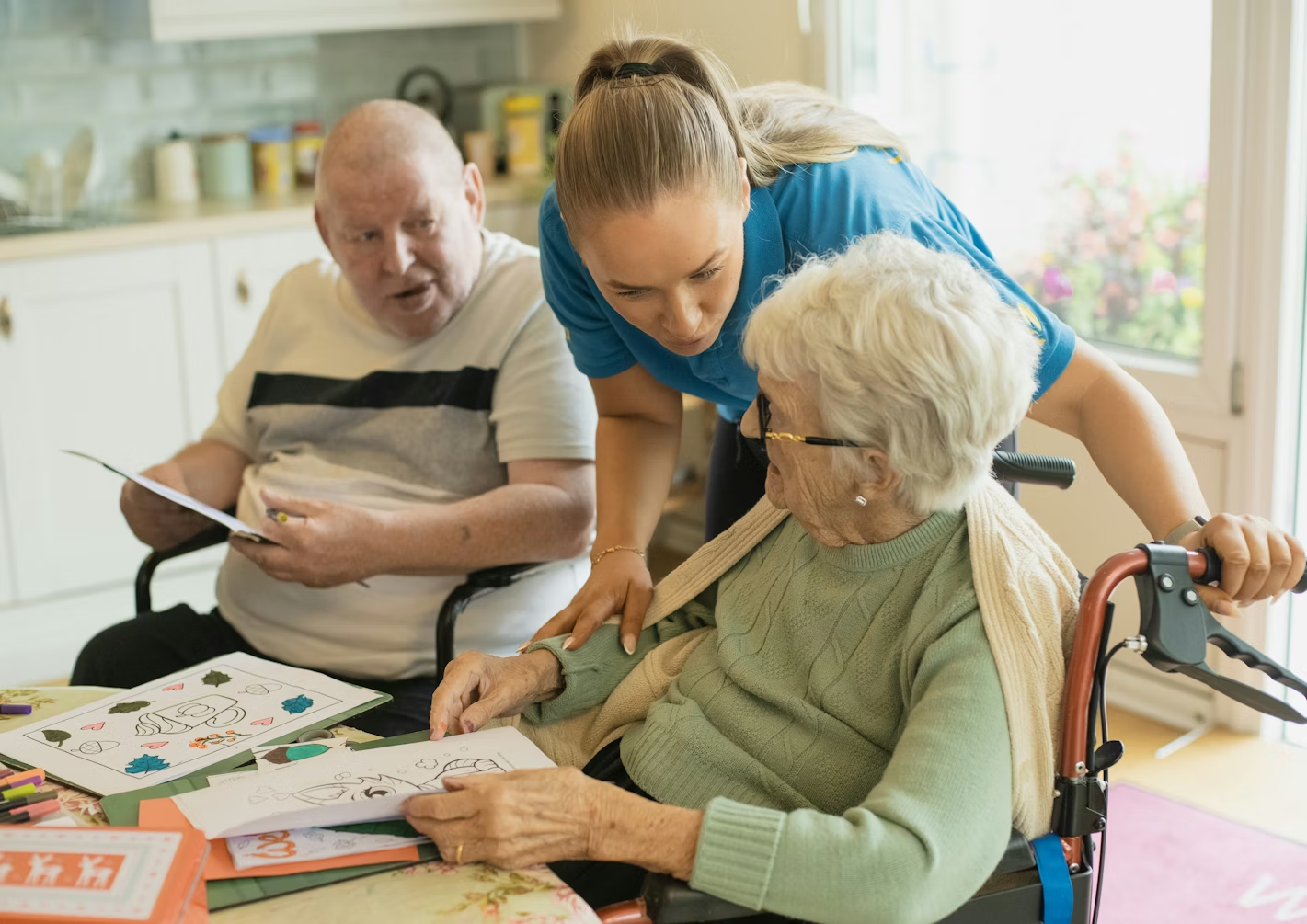
When a loved one begins to show signs of dementia, the world can feel very different. Daily routines become more complicated, conversations change, and their safety may start to worry you in a way it never has before. For many families, there comes a point where they want their loved one to be supported by trained professionals who understand the condition and can offer comfort, structure and reassurance every single day. This is where dementia care in a care home can make all the difference.
Dementia care is more than practical support. It is a compassionate approach to living that respects an individual’s identity, history and personal choices. In a high-quality care home environment, residents are supported in a way that helps them feel valued and understood while also keeping them safe and comfortable.
Understanding Dementia
Dementia is not a single illness. Instead, it describes a set of symptoms that affect memory, communication, reasoning, and the way a person experiences everyday life. Conditions such as Alzheimer’s, vascular dementia, frontotemporal dementia and Lewy body dementia all fall under this umbrella. Symptoms typically develop gradually, which means families often notice small changes at first. These may include forgetfulness, losing track of time, misplacing items or becoming confused in familiar places.
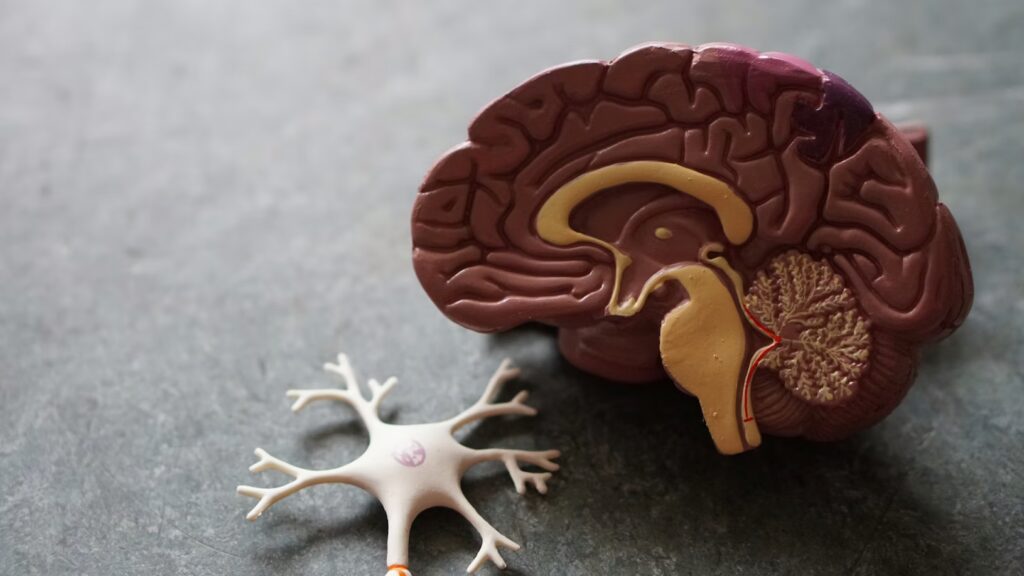
As dementia progresses, many people begin to need help with tasks they once did confidently. They may struggle with dressing, preparing meals, managing medication or recognising loved ones. Behaviour and mood may also change as the condition affects the parts of the brain responsible for emotional responses. It is important to remember that every person experiences dementia differently. Two people with the same diagnosis may have very different needs, habits and preferences.
That is why dementia care must always be personalised and delivered with patience and understanding.
What Dementia Care in a Care Home Actually Involves
Dementia care in a care home is a specialised type of support created to meet the needs of individuals who are no longer able to live safely or comfortably at home. The aim is to maintain dignity, promote independence wherever possible and provide a stable environment where residents can feel secure.
Carers and nurses in dementia care settings receive dedicated training in communication techniques, behavioural support and the emotional impact of the condition. This ensures they can respond calmly and confidently when challenges arise. Dementia care in a care home usually includes:
- Daily personal care such as washing, dressing, grooming and support with meals.
- Medication management to ensure residents receive the right medication at the right time.
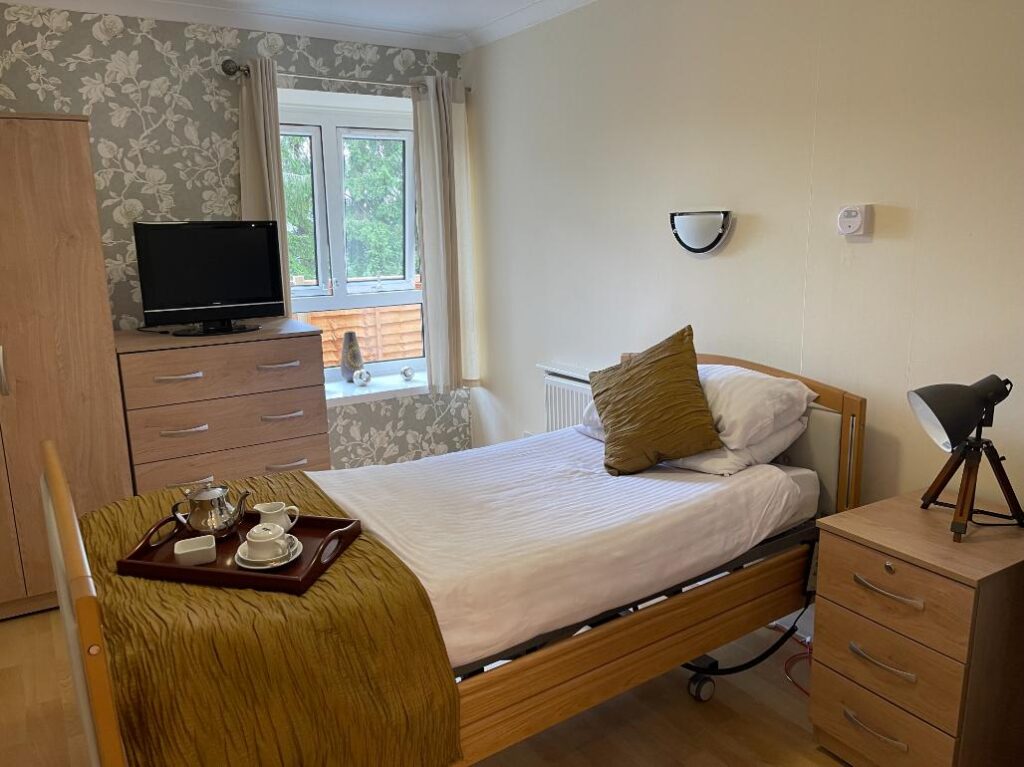
- A safe and adapted environment that reduces confusion with clear signage, familiar layouts and supportive features.
- Consistent routines that help residents feel secure and reduce anxiety.
- Emotional reassurance from caregivers who understand how dementia influences communication and behaviour.

Dementia care also focuses on creating meaningful moments. Even when memory fades, people often respond strongly to music, conversation, touch, routines and sensory experiences. A good care home provides opportunities for these moments every day.
The Importance of Person Centred Care
Families often worry that moving into a care home means losing independence or a sense of self. In reality, quality dementia care is based on person-centred principles. This means the resident is treated as an individual with a unique history, personality and set of preferences.
Before someone moves into a dementia care home, a detailed assessment takes place. This covers medical needs, mobility, emotional wellbeing, communication abilities, likes and dislikes, hobbies and background. The information shapes a personalised care plan that is updated regularly as needs change.
Person-centred care is not only about medical support. It is about making sure residents continue to enjoy familiar comforts and meaningful experiences. It may involve preparing meals they enjoy, encouraging hobbies they once loved or using music and photographs to create moments of recognition. These small touches play a huge role in helping residents feel settled and valued.
Supporting Behavioural and Emotional Changes
People living with dementia can experience confusion, anxiety, restlessness or changes in behaviour. These moments are rarely deliberate. They are often responses to fear, sensory overload or unmet needs. Staff in dementia care homes are trained to approach these situations calmly and with empathy.
They use techniques such as gentle reassurance, redirection, quiet conversation or simply offering a comforting presence. Understanding how to interpret nonverbal cues is also important. A resident may not be able to say they are thirsty, uncomfortable or in pain, but trained carers can recognise these signs and respond quickly.
Families often feel relieved knowing their loved one is supported by people who understand these changes and can respond in ways that reduce stress and promote comfort.
Activities and Engagement for Residents with Dementia
Activities play a helpful role in dementia care, but the focus is on what is appropriate and enjoyable for the individual rather than trying to keep them constantly busy. Simple, low-pressure activities often work best. These might include listening to music, sensory experiences, gentle movement, reading, looking through memory books, light gardening or creative tasks.
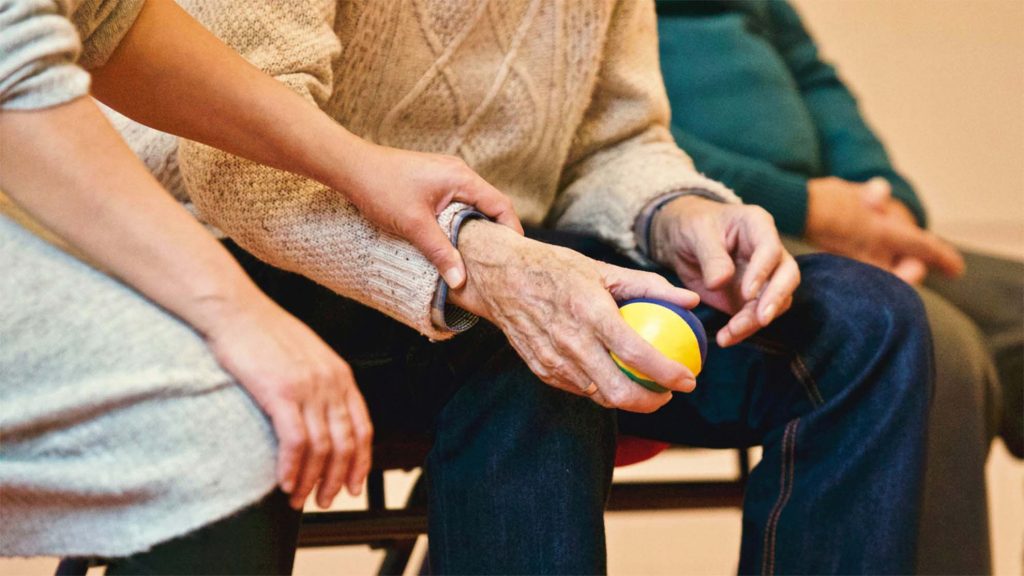

Activities aim to support wellbeing, not overwhelm residents. Even short moments of engagement can improve mood, reduce agitation and support confidence. Although Craigieknowes Care Home may have a broader programme of activities available, the priority in dementia care is making sure each resident has access to experiences that feel familiar and comforting.
Working in Partnership with Families
Families play an essential role in dementia care. After all, no one knows a loved one better than those closest to them. Care homes encourage regular communication and involvement in decision-making. Many families find comfort in bringing photographs, favourite blankets or other personal items to help make the room feel like home.
Visits are welcomed and often encouraged because familiar faces can have a powerful impact on a resident’s sense of security. Staff also keep families updated on any changes in mood, health or behaviour so everyone feels informed and reassured.
Working together creates a stable, supportive environment and helps maintain important emotional connections that are central to wellbeing.
When Is It Time to Consider Dementia Care?
Families often struggle with the decision to move a loved one into a dementia care home. There is no single right moment, but there are signs that can indicate a person may benefit from specialist support. These include safety concerns at home, increased confusion, wandering, changes in mobility, frequent falls, difficulty managing medication, disturbed sleep or overwhelming stress for loved ones who are trying to support them.
Choosing dementia care does not mean you are giving up. It means you want your loved one to have expert support, structure and round-the-clock reassurance that is often difficult for families to provide alone.


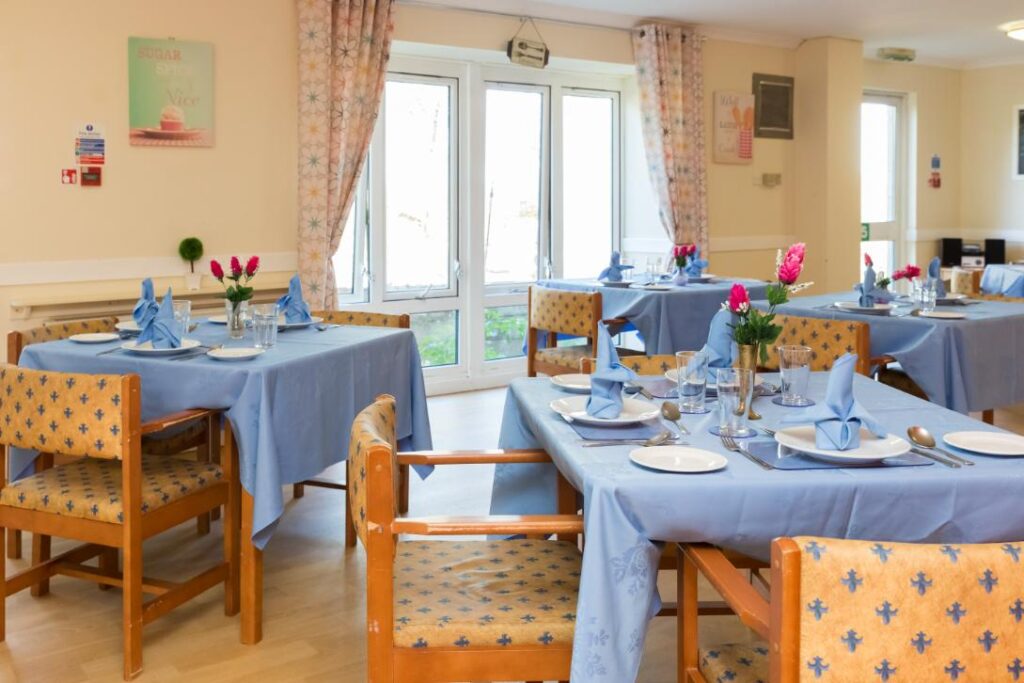
Dementia Care at Craigieknowes Care Home in Perth
Craigieknowes Care Home provides dedicated dementia care in a warm and reassuring environment where residents are supported with dignity and respect. Our trained dementia care team creates personalised care plans, builds trusting relationships and ensures every resident feels safe, valued and understood. With comfortable living spaces, meaningful activities and a caring team available every hour of the day, your loved one can enjoy comfort and companionship while receiving expert support.
If you are exploring dementia care for a family member, we invite you to get in touch and arrange a visit. Our friendly team at Craigieknowes Care Home in Perth will be happy to show you around and answer any questions you may have.